

By Stamford Ford, Stamford Ford. The Ford Explorer blends performance, safety and advanced technology, making it a strong option for families and weekend adventurers. This guide breaks down its key features, pricing and benefits so you can decide with confidence. If you need space, safety and modern tech, the Explorer’s robust design and innovations address those needs. We cover trim levels, safety and tech, Stamford Ford pricing and finance, and comparisons with the Chevrolet Traverse and Toyota Highlander. Throughout this article we aim to give practical, dealer-focused information that helps you match a trim and package to your lifestyle. Whether you prioritise passenger comfort, towing flexibility, or a sportier driving feel, the sections below explain trade-offs and real-world advantages without jargon. Read the parts most relevant to you—trims and performance, tech and safety, pricing and offers, or service and owner experience—to guide a confident purchase decision. This study delves into the evolving demands for midsize SUVs, particularly among the millennial generation, highlighting the shift towards premium features and advanced technology that enhance quality of life.
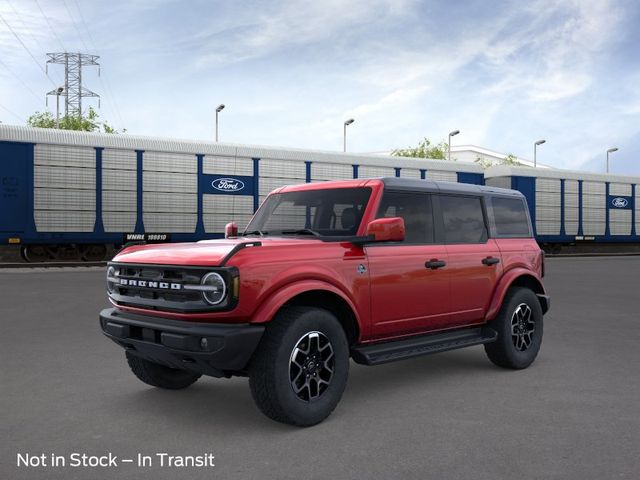
The Explorer comes in several trims—Explorer, XLT, ST and Platinum—so you can choose the mix of comfort, performance and technology that fits your needs.
Choosing a trim is often about prioritising which features matter most to you: value and essentials at the base level, extra convenience and connectivity at XLT, sport-focused performance at ST, or comfort and premium appointments with Platinum. For example, families who frequently carry passengers and cargo may prioritise the XLT for its balance of features and cost, while buyers who enjoy spirited driving may opt for ST for the enhanced powertrain and tuned suspension. Platinum suits buyers seeking a near-luxury experience without stepping into a different vehicle class.
Dealers commonly offer packages and standalone options that let you add some higher-trim features to lower trims. If a particular convenience or technology feature matters—a larger touchscreen, upgraded driver aids, or premium audio—ask Stamford Ford about available option packages and certified pre-owned alternatives that may deliver the feature-set you want within your budget.
The base Explorer and XLT use a 2.3‑litre EcoBoost engine (300 hp, 310 lb‑ft) for a balance of power and efficiency. The ST uses a 3.0‑litre twin‑turbo V6 (400 hp, 415 lb‑ft) for a sportier experience. The Platinum can also be specified with this more powerful V6 for stronger performance across trims.
Beyond headline engine specs, consider how each powertrain matches your typical driving. The 2.3‑litre EcoBoost suits daily commuting, family runs and light towing while delivering reasonable fuel economy for a midsize SUV. The twin‑turbo V6 in ST and available on Platinum provides stronger acceleration, more responsive passing performance, and a more engaging feel on twisty roads. If you frequently tow or drive on hilly routes, the V6’s higher torque and sustained power delivery will be noticeable in everyday driving.
Transmission tuning, chassis calibration and optional drive modes also shape how a trim feels. ST models often include sport-tuned steering and suspension that tighten body control at the cost of a firmer ride. Platinum aims to smooth and refine ride quality with comfort-oriented damping and noise-reduction features, emphasising long-distance comfort.
The base model seats up to seven. XLT upgrades materials and adds tech. ST focuses on sportiness with special accents and sport seats. Platinum raises the bar with premium leather, heated and ventilated front seats and ambient lighting for added comfort.
Interior choices affect daily usability as much as perceived luxury. The XLT’s upgraded trim materials and additional USB ports make a practical difference for families who use multiple devices. ST’s sport seats provide better lateral support during spirited driving and often include unique stitching and trim that reinforce a performance image. Platinum’s materials and comfort features are designed to reduce fatigue on long trips and to create a quieter cabin environment for all occupants.
Consider seat configuration and cargo flexibility: second- and third-row seating arrangements and fold-flat options determine how easy it is to switch between passenger and cargo needs. If you regularly carry a mix of gear, strollers or large items, test how seats fold and how flat the cargo floor becomes with each trim and package combination.
Safety and tech are central to the Explorer. It includes Ford Co‑Pilot360—automatic emergency braking, blind‑spot monitoring and lane‑keeping assist—to boost driver confidence and on‑road safety.
Beyond the headline systems, the Explorer integrates sensors, cameras and in-cabin alerts to provide layered protection. Many drivers appreciate the way these systems interact: for instance, lane‑keeping assist combined with adaptive cruise control can reduce stress on long highway drives, while automatic emergency braking provides an important safety net in urban and suburban traffic. When evaluating safety features, review how alerts are presented—visual, audible, or haptic—as that affects how quickly and comfortably you respond to warnings.
The Ford Explorer's advanced safety features are designed to protect occupants and prevent accidents. Key features include:
Together, these systems help the Explorer earn strong safety ratings, making it a dependable choice for families.
When assessing safety technology, confirm which systems are standard versus optional on your chosen trim. Optional packages can add features such as adaptive cruise control with stop-and-go functionality, a surround-view camera system for tight parking situations, and parking assistance that can steer for you in certain low-speed manoeuvres. These features can be especially useful for owners who frequently park in urban settings or who want extra support during long drives.
SYNC 3 links your smartphone for navigation, music and calls. FordPass Connect adds remote access and a Wi‑Fi hotspot so you can check and control vehicle functions from your phone.
Practical tech features influence everyday convenience: wireless smartphone mirroring, multiple USB charging points, and configurable driver displays help reduce distraction and keep occupants connected. Larger touchscreens with physical shortcut keys improve usability while driving. Explore how the infotainment interface responds to voice commands and how straightforward it is to set navigation destinations or pair devices—small usability differences matter over years of ownership.
Explorer pricing varies by trim. The base model starts at a competitive price, the XLT costs a bit more, and the ST and Platinum add price for performance and luxury upgrades.
When budgeting, factor in destination charges, dealer options, taxes and any accessories you expect to add. Extended warranties, maintenance plans and common accessories—roof rails, cargo organizers, all‑weather floor liners—can add to the initial cost but may increase utility and resale value. Stamford Ford staff can provide detailed out-the-door pricing and explain how factory-installed options affect financing or leasing terms.
The base Explorer starts at around $35,000, while the XLT is about $37,000. ST and Platinum are higher to reflect their added features and performance. Versus the Chevrolet Traverse and Toyota Highlander, the Explorer remains competitively priced given its feature set.
Price comparisons are most useful when you match equipment levels. A well-equipped XLT can out-supply a base-class competitor in convenience and tech, while an ST or Platinum will often be closer to higher-spec trims from rivals. Consider total cost of ownership—insurance, fuel, and maintenance expectations—when comparing models, not just sticker price. Stamford Ford can provide trade-in appraisals and incentives that shift comparative value in real purchase scenarios.
Stamford Ford offers financing specials to make buying easier. Low‑interest rates and cash‑back deals may be available, and the dealership works to tailor financing plans to individual budgets.
Incentives can change month to month and may be tied to manufacturer programs, dealer promotions or seasonal offers. If you plan to lease, review mileage allowances and residual values to ensure the payment fits your expected usage. Buyers considering long-term ownership should compare financing vs. leasing offers and ask about deferred maintenance packages, loyalty credits, or college graduate and military incentives that may apply.
Compared with the Traverse and Highlander, the Explorer is known for sportier handling and stronger engine options. The Traverse focuses more on interior space, while the Highlander emphasises fuel efficiency.
Each competitor brings a slightly different set of trade-offs: the Traverse is frequently praised for passenger and cargo volume, making it attractive to buyers who prioritise space for larger families or long road trips. The Highlander’s hybrid options and fuel economy-oriented engineering make it appealing to buyers who prioritise efficiency and running costs. The Explorer aims to bridge these priorities with a range of powertrains and a broad option set, targeting buyers who want a compromise between driving dynamics and practicality.
The Explorer's turbocharged engines deliver a more dynamic driving feel, while the Traverse emphasises passenger space and comfort. The Explorer's advanced safety and connectivity features give it an advantage in modern driver assistance and tech offerings.
From a usability standpoint, the Traverse’s interior packaging can be particularly flexible for third-row passengers and large cargo items, while the Explorer often feels more composed on winding roads. If you frequently use the third row or carry bulky items, verify headroom and cargo geometry in each model. Test drives under the conditions you expect most—highway commuting or weekend hauling—help reveal which vehicle fits your routine better.
With its EcoBoost engine the Explorer estimates about 27 mpg on the highway. The Highlander posts similar figures. If you prioritise sportier performance, the Explorer may appeal more; if you prioritise fuel economy and family features, buyers often favour the Highlander.
Fuel economy comparisons should consider real-world factors: driving style, load, towing, and climate. For buyers focused on efficiency, hybrid or electrified options from competitors might shift total running costs significantly. If you expect frequent highway driving, the Explorer’s highway efficiency can be competitive, but hybrid-equipped rivals may show advantages in urban stop-and-go traffic.
This abstract details the advancements in Toyota's hybrid systems, specifically in the context of the Highlander, to meet stringent fuel economy and emission regulations while catering to the increasing demand for mid-size SUVs.
Choosing Stamford Ford gives you specialist Ford service and maintenance from technicians who know these vehicles well.
Using a dealer service centre often makes warranty work, software updates and recalls simpler because parts and diagnostic tools are specifically matched to Ford vehicles. Stamford Ford technicians can also advise on the best service intervals and recommended fluids and parts for your Explorer’s configuration, helping preserve resale value and maintain factory coverage.
Booking service is simple—online or by phone. Certified technicians handle routine oil changes and major repairs, so your Explorer gets timely, expert care.
Many owners benefit from scheduled maintenance plans offered through the dealer that bundle common services for predictable pricing. While you can choose independent service providers, dealer-maintained histories often provide higher confidence to future buyers and can simplify warranty claims. Stamford Ford can also arrange loaner vehicles or shuttle services to make long repairs less disruptive.
The Explorer comes with a limited warranty for three years or 36,000 miles and a powertrain warranty for five years or 60,000 miles. Stamford Ford also offers additional support programs to help keep ownership smooth.
Extended warranty options, certified pre-owned programs and roadside assistance packages are commonly available. These programs vary in coverage and duration, so review the fine print: what components are covered, where services are provided, and how deductible or claim procedures work. Stamford Ford’s finance and service teams can outline packages that best match your anticipated ownership horizon.
Customer feedback helps show overall satisfaction with the Explorer and Stamford Ford's service. Many owners note the vehicle's reliability, comfort and modern features.
Beyond star ratings, read recent reviews for specifics about sales transparency, aftercare, and service turnaround times. Local feedback can indicate whether the dealership provides helpful pre-delivery inspections, clear financing explanations, and effective follow-up on service issues—practical factors that shape long-term satisfaction.
Owner testimonials often highlight the roomy interior and smooth ride. Customers also point to advanced safety and tech as major benefits for family use.
Testimonials frequently emphasise the convenience of in-car connectivity for daily tasks—navigation accuracy, hands‑free calling and media streaming—and note how comfort features reduce fatigue on long trips. Look for comments about long-term reliability and how the dealer handled warranty or service issues for a balanced perspective.
Local reviews praise Stamford Ford's knowledgeable staff and willingness to go the extra mile, reinforcing its reputation as a trusted dealer in Stamford, CT.
When evaluating reviews, consider the recency and the context of praise or criticism. A pattern of positive remarks about quick service scheduling, clear pricing, and helpful staff is a strong indicator of consistent customer care. Conversely, isolated negative comments are best weighed against the overall trend and the dealer’s responsiveness to resolve concerns.
Properly equipped, the Explorer can tow up to 5,600 pounds, which covers many trailers and boats. A towing package improves performance and helps ensure safe, efficient towing.
When planning to tow, choose the correct towing kit, hitch class and cooling options for sustained towing. Proper loading—distributing tongue weight correctly and verifying trailer brakes—improves control and safety. If you plan frequent towing, ask Stamford Ford about factory tow packages and recommended maintenance adjustments to support regular heavy use.
The Explorer seats up to seven with ample legroom and cargo space. Flexible seating and fold‑flat rear seats increase cargo capacity, so it competes well with the Chevrolet Traverse and Toyota Highlander for family versatility.
Practical interior considerations include cargo floor height, ease of folding the second and third rows, and the presence of underfloor storage or cubbies. Families will appreciate accessible cupholders, easy-to-clean surfaces, and simple child-seat anchor access. Try loading common items—strollers, sports equipment or pet carriers—during a test visit to confirm the fit for your routine.
The Explorer is available in colors like Oxford White, Agate Black, Rapid Red and Blue Metallic. Availability varies by trim, so check with your local dealer. Optional packages let you personalise the vehicle's look.
Colour choices can influence resale appeal and perceived cabin temperature in sunny climates. Matte or darker finishes may require more frequent detailing. If a particular exterior colour is important, confirm factory availability and expected delivery times for that paint across trims and model years.
SYNC 3 offers seamless smartphone integration for navigation, music and hands‑free calling. FordPass Connect provides a Wi‑Fi hotspot and remote access to vehicle functions via an app, keeping you connected on the go.
Connectivity features are most useful when they reduce friction—easy pairing, reliable Bluetooth connections and responsive voice control. If you rely on navigation, ensure the mapping interface and live traffic features are available on the trim you choose. Check how software updates are delivered and whether over-the-air updates are supported for future improvements.
EcoBoost engines balance power with fuel efficiency, keeping the Explorer's economy competitive in the midsize SUV class. Ford also uses eco‑friendly materials and promotes responsible manufacturing to reduce environmental impact.
For buyers prioritising lower emissions and operating costs, compare available powertrains and examine real-world fuel consumption under your typical driving patterns. Responsible ownership practices—regular maintenance, correct tyre pressures and considerate driving—also improve efficiency and reduce emissions over the vehicle’s life.
The Explorer has strong ratings from the NHTSA and IIHS. Its advanced driver‑assistance systems and sturdy construction contribute to those results, offering added peace of mind for families and safety‑focused buyers.
Crash-test ratings and safety awards are useful, but also review the specific test areas—front, side and rollover protection—to align with your concerns. Confirm which safety features are standard on the trim you select and which are optional, so you know the level of protection included in your purchase.
