

Genuine Ford F-150 parts are engineered specifically for each truck, ensuring precise fit, safety, and performance. Aftermarket parts vary widely in quality and may void warranties. Stamford Ford recommends OEM parts to protect long-term reliability and resale value.
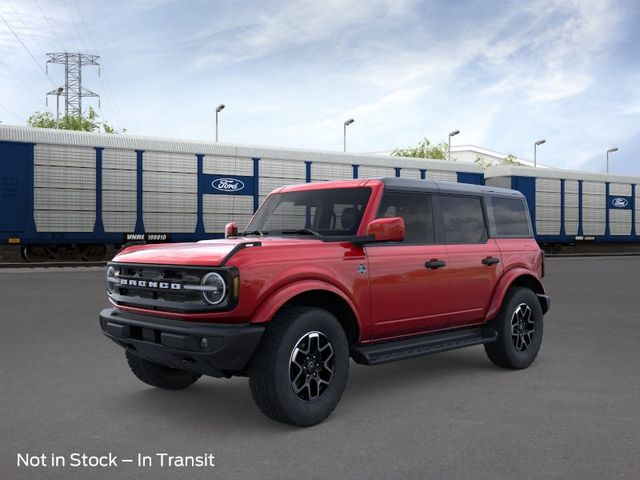
Genuine Ford F-150 parts are the identical components installed during the truck's original factory assembly. These parts match every engineering specification Ford designed for the F-150 platform. Drivers searching for Ford F-150 Parts for Sale encounter a critical choice between authentic components and generic alternatives. That decision directly shapes vehicle safety, performance, and long-term durability.
Ford Motor Company produces these components directly or through a tightly controlled network of approved suppliers. Each supplier meets Ford's exact specifications for materials, tolerances, and quality control. Motorcraft serves as the main supplier of Ford genuine parts. Motorcraft is owned by Ford, eliminating any disconnect between the vehicle manufacturer and the parts manufacturer. This integrated supply chain ensures every replacement component performs identically to the original.
Those companies reverse-engineer components, often altering materials or dimensions to reduce costs. Genuine parts preserve the precise fit, metallurgy, and crash-safety characteristics Ford validated during vehicle development. Stamford Ford equips its factory-trained technicians with genuine parts and the latest diagnostic tools. The dealership's service center uses these authentic components for oil changes, brake service, engine repair, and multi-point inspections. That commitment protects the truck's original engineering integrity across every maintenance visit.
| Feature | Genuine Ford F-150 Parts | Aftermarket Parts |
|---|---|---|
| Manufacturer | Ford or Ford-approved suppliers | Independent third-party companies |
| Specifications | Exact factory tolerances and materials | Reverse-engineered approximations |
| Supply chain | Integrated with Ford engineering | No connection to vehicle development |
| Warranty compatibility | Preserves factory warranty coverage | May void specific warranty provisions |
| Availability | Stamford Ford service center and parts department | Various retailers and online sellers |
The distinction matters most when safety systems are involved. Brake components, sensors, and structural parts demand the original engineering validation Ford performed during F-150 development. Substituting unverified alternatives introduces risks no savings justify.
Aftermarket parts come from third-party manufacturers with no connection to Ford. OEM parts are the identical components installed when a Ford F-150 rolled off the factory line. The distinction carries real consequences for truck owners balancing repair costs against long-term dependability.
| Criteria | OEM Ford Parts | Aftermarket Parts |
|---|---|---|
| Manufacturer | Ford Motor Company or its approved suppliers | Independent, unaffiliated third-party companies |
| Fit & Specification | Engineered to Ford's exact factory tolerances | May deviate from Ford's precise design specs |
| Performance Validation | Tested for the specific Ford model and use case | Generic design; not validated per Ford's standards |
| Safety Assurance | Meets Ford's internal safety engineering requirements | Quality and safety standards vary widely by producer |
Ford F-150 Parts for Sale at Stamford Ford carry the engineering validation that aftermarket alternatives cannot guarantee. A part that looks identical in an online photo often hides critical differences in metallurgy, tolerances, or electronic calibration. Without Ford's exact specifications, aftermarket components risk compromising the vehicle's performance and safety.
Brake pads, shoes, drums, and rotors reveal the gap between OEM and aftermarket quality. A University Ford analysis notes that poor manufacturing quality in these parts remains invisible in online listings. Substandard friction materials or imprecise machining degrade stopping distance and pedal feel. The driver experiences the consequence only during an emergency stop.
Electrical components from the aftermarket show mixed reliability at best. A Ford-Trucks.com forum discussion reports consistent frustration with aftermarket sensors and connectors. Owners frequently end up sourcing the OEM part after an aftermarket unit fails prematurely. The initial savings evaporate with the second repair.
Genuine Ford parts protect factory warranty coverage. Aftermarket parts create warranty risk that many truck owners never see coming. A failed aftermarket component that damages a covered system can shift repair costs entirely onto the vehicle owner. That is a loss no Stamford F-150 driver budgets for.
Ford F-150 Parts for Sale at Stamford Ford come with a critical advantage: warranty compliance. Genuine Ford parts, also called OEM (Original Equipment Manufacturer) parts, are the same components used when the truck was built at the factory. Ford or an approved supplier manufactures them to exact specifications. Aftermarket parts carry no such guarantee.
The warranty claim gets complicated. Ford's warranty covers defects in Ford parts and workmanship. When an aftermarket part fails and damages a covered component, Ford may deny that specific repair. The vehicle owner absorbs the cost. This risk applies to sensors, brake components, and electrical systems especially.
| Factor | Genuine Ford Parts | Aftermarket Parts |
|---|---|---|
| Warranty impact | Maintains coverage | Can void related claims |
| Manufacturing source | Ford or approved supplier | Independent manufacturers |
| Fit and specification | Exact factory match | Varies by brand |
| Dealer support | Backed by Ford | Limited or none |
Dealer service matters significantly. Stamford Ford operates an expert heavy repair facility backed by Ford. The company's team of highly qualified, Ford-certified technicians uses genuine parts for all repairs. From a simple oil change to a full transmission replacement, the Ford service center keeps warranty documentation clean and complete.
No single aftermarket part voids the entire warranty automatically. The Magnuson-Moss Warranty Act protects consumers from blanket voiding. However, Ford can deny coverage for damage traced to an aftermarket component. That distinction leaves truck owners exposed to repair bills that genuine parts would have prevented.
OEM Ford parts deliver exact factory fitment for every F-150 model year. Aftermarket alternatives often introduce installation headaches that compromise the truck's engineered precision.
Ford F-150 Parts for Sale at Stamford Ford come directly from Ford's manufacturing network. These Original Equipment Manufacturer components match the exact specifications used when the truck rolled off the assembly line. Ford or its trusted suppliers build every piece to precise tolerances. The result is a part that bolts on without modification, shim, or adjustment.
Aftermarket parts follow a different path. Independent manufacturers reverse-engineer components without access to Ford's proprietary design data. Small dimensional variances creep into the process. A bracket sits slightly off-angle. A sensor housing needs filing to seat properly. These modifications eat shop time and introduce variables the F-150's systems were never designed to accommodate.
Aftermarket manufacturers work from approximations rather than factory blueprints. The production tolerances differ from Ford's engineering standards. A component that looks identical on the shelf may require trimming, bending, or adapter hardware during installation. Those forced fits create stress points and alignment issues over time.
Poor fitment cascades into larger problems. A misaligned body panel creates wind noise and water leaks. An imprecise sensor sends faulty data to the engine computer. The vehicle's performance, safety systems, and resale value all take a hit from components that were never validated for the application.
Stamford Ford's service center eliminates this uncertainty. Factory-trained technicians install genuine parts using the latest diagnostic tools. Every component carries Ford's engineering validation and warranty backing. The dealership sources its Ford F-150 Parts for Sale directly from Ford, guaranteeing the same quality that built the truck originally. No guesswork enters the equation. No modifications become necessary. The part fits because it was designed to fit, every single time.
Aftermarket parts carry a lower upfront price tag. That initial savings often disappears when the part fails prematurely. Ford F-150 owners in Stamford face a clear choice between short-term discounts and long-term vehicle integrity.
The true cost of a part extends well beyond the purchase receipt. Aftermarket components lack the factory engineering that Ford F-150 Parts for Sale through authorized dealers provide. A brake pad manufactured to generic specifications wears differently than one designed for a specific truck's weight and stopping dynamics. Williams Ford of Binghamton notes that critical differences in manufacturing processes remain invisible when viewing parts online. What looks identical on a screen performs differently on the road.
Labor charges multiply when a part fails early. Replacing the same component twice doubles the shop time. Premature failure also risks collateral damage to connected systems.
Factory-fitted components maintain the truck's engineered performance envelope. Stamford Ford sources the same parts installed when the vehicle was new. These components match original tolerances and material specifications exactly. The company's transparent pricing structure eliminates surprise charges on genuine Ford service. Consistent reliability keeps the truck on the road instead of in the service bay.
| Cost Factor | Aftermarket Parts | Genuine Ford Parts |
|---|---|---|
| Upfront Price | Lower initial cost | Higher initial investment |
| Typical Lifespan | Variable, often shorter | Matches original component life |
| Repeat Labor Risk | Higher failure rate drives reinstallation costs | Single installation, predictable service interval |
| Vehicle Integrity | Generic fitment may stress adjacent systems | Engineered for specific model tolerances |
The math shifts decisively over a truck's service life. A component replaced once with a genuine part costs less than one replaced twice with an aftermarket alternative. Stamford Ford's service department installs these parts with proven workmanship. The combination of precise engineering and professional installation eliminates the gamble that aftermarket parts represent.
Part selection directly shapes a Ford F-150's future market value. Vehicles maintained with genuine factory components consistently attract stronger offers from dealers and private buyers alike. The parts installed during routine maintenance and repairs become part of the truck's permanent history. That history either builds buyer confidence or raises uncomfortable questions during appraisal.
Informed truck shoppers scrutinize maintenance records before making offers. Genuine Ford parts signal that previous owners prioritized quality over short-term savings. These components match the exact specifications Ford engineers designed for the vehicle. Documentation showing consistent OEM part use removes uncertainty from the transaction. Buyers pay premiums for certainty.
| Part Type | Resale Impact | Buyer Perception |
|---|---|---|
| Genuine Ford Parts | Preserves value | Confidence in vehicle integrity |
| Aftermarket Parts | Reduces appeal | Questions about quality and fit |
Dealers recognize that vehicles with documented OEM histories sell faster. Stamford Ford maintains detailed service records for every repair performed with genuine components. These records become powerful selling tools when owners decide to trade in their trucks. A complete Ford F-150 Parts for Sale history from a recognized dealership adds tangible documentation. Without it, appraisers factor in unknown risks that lower offer amounts.
Aftermarket components introduce variables that informed buyers notice. Parts manufactured to generic specifications may fit multiple vehicle brands. That universal approach sacrifices the precision engineering built into every Ford truck. Crain Ford of Jacksonville notes that part choice affects vehicle performance, safety, and long-term value. The savings from cheaper parts often disappear when trade-in values drop.
Aftermarket brake components introduce measurable safety risks that many Ford F-150 owners never detect until it is too late. Brake pads, shoes, drums, and rotors are critical safety parts where OEM quality directly determines stopping performance. A part that looks identical in an online listing often conceals vital manufacturing differences from genuine Ford specifications. These hidden variances compromise the very systems drivers depend on in emergency situations.
Ford engineers design brake components to meet exact thermal, friction, and durability standards. Aftermarket manufacturers frequently skip these rigorous specifications to cut costs. The result is a part that fits but does not perform. Williams Ford of Binghamton notes that poor-quality aftermarket brake parts remain invisible to the naked eye during online shopping. Their manufacturing shortcuts create real danger on the road. A Ford F-150 hauling a trailer or navigating Stamford's winter roads needs every ounce of its designed stopping power.
Electrical components present an even sharper risk profile. Ford-Trucks.com forum contributors report consistent reliability problems with aftermarket electrical parts, particularly sensors and connectors. These failures often occur intermittently, making diagnosis difficult and leaving drivers stranded without warning. A mass airflow sensor that drifts out of specification degrades fuel economy and engine performance gradually. The driver notices nothing until a check engine light appears or the truck enters limp mode far from home.
Stamford Ford eliminates these risks entirely. The dealership's factory-trained technicians use genuine parts and the latest diagnostic tools for every repair. This commitment ensures that every Ford F-150 Parts for Sale through the service department meets the same safety standards as the original factory installation. Professional brake service with OEM components restores stopping performance to engineered specifications. No guesswork. No hidden compromises. Just the confidence that comes from parts built for the vehicle they protect.
Genuine Ford F-150 Parts for Sale are available directly through Stamford Ford, an authorized Ford dealer in Stamford, CT. The dealership’s service center stocks authentic components engineered specifically for the F-150 platform. These parts match the original factory specifications exactly. No third-party variation or fitment compromise enters the equation.
Stamford Ford eliminates the guesswork that plagues online marketplaces and generic auto parts stores. Counterfeit components and mislabeled inventory create real safety risks. A brake pad with incorrect metallurgy extends stopping distance. An electrical sensor with mismatched resistance values triggers false dashboard warnings. The dealership’s parts counter removes these variables entirely. Every component carries Ford’s engineering validation and warranty protection.
| Source | Part Authenticity | Warranty Coverage | Expert Guidance |
|---|---|---|---|
| Online Marketplaces | Mixed; counterfeit risk | Varies by seller | None |
| Generic Auto Parts Stores | Aftermarket only | Limited third-party | Generalist counter staff |
The sales department handles parts inquiries at 203.614.1560. Service hours run Monday through Friday from 8 AM to 6 PM. Customers describe the needed component and vehicle details. The parts team verifies compatibility against Ford’s database before processing the order.
Yes. The service center performs installation for every genuine part sold. Online scheduling streamlines the appointment process. A service pick-up and drop-off option adds another layer of convenience for busy truck owners. The vehicle returns with components installed to factory torque specifications and calibration standards. No independent shop guesswork. No driveway repair uncertainty. Just dealership precision.
Genuine Ford F-150 parts are the identical components installed during the truck's original factory assembly, matching every engineering specification Ford designed for the F-150 platform.
Genuine Ford parts preserve factory warranty coverage.
Choosing genuine Ford F-150 parts means choosing documented safety, preserved resale value, and factory-engineered performance. Aftermarket components introduce hidden risks that compromise stopping power, electrical reliability, and long-term ownership confidence. The decision comes down to protecting what matters most: your truck’s integrity and your family’s safety on the road.
